How to Know When It's Time to Replace Your Roof in Fort Worth
Most Fort Worth homeowners don't discover their roof needs replacing until water shows up on a ceiling - at which point deferred maintenance has already compounded the cost. These eight signs tell you it's time to stop repairing and start replacing, before the decision gets made for you.
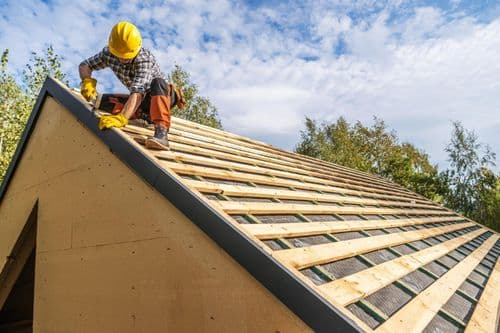
The roof replacement decision is one that Fort Worth homeowners frequently delay too long - not out of neglect, but because the signs of an aging roof aren't always obvious from the ground, and because the cost of replacement feels like an avoidable expense right up until it isn't. Here are the eight indicators that tell experienced roofers the repair window has closed.
Your roof is 20+ years old
Architectural asphalt shingles carry a 30-year manufacturer lifespan - but that rating was developed in lab conditions, not North Texas summers. In Fort Worth's climate, the effective service life under actual heat, UV, and hail exposure is often closer to 20-25 years. If your roof is in that range, an inspection will tell you where it actually stands.
Widespread granule loss in gutters
Granules are the shingle's UV protection layer. Occasional granule loss is normal - significant, widespread accumulation in gutters after rain events is not. When the granule surface is depleted, the asphalt mat beneath degrades rapidly and shingles become brittle, prone to cracking, and eventually unable to shed water properly.
Curling, cupping, or clawing shingles
Shingles that curl at the edges (cupping) or lift at the center (clawing) are delaminating - separating from the fiberglass mat beneath. This is a non-repairable condition. Once shingles begin curling, the underlying adhesive and mat have aged past their functional life and wind resistance is severely compromised.
Multiple repairs in the past 3-5 years
One roof repair is maintenance. Three or four repairs in a short period is a signal that the system has aged past the point where targeted repairs deliver lasting value. Each repair addresses a symptom; the underlying cause - material age and general system fatigue - continues to generate new failures.
Hail damage affecting 30%+ of the roof field
When hail damage is widespread - granule loss, impact bruising, and surface fracturing across a significant portion of the field - replacement is typically more economical than piecemeal repair, even before accounting for the replacement's upgrade opportunity to Class 4 impact-resistant materials.
Soft spots or sagging roof sections
Softness or visible sagging in a roof section indicates decking damage or rot - typically from sustained moisture infiltration that wasn't caught early. This is a structural concern, not just a surface one, and it requires full removal to address properly.
Visible daylight in the attic
If daylight is visible through the roof decking when you inspect the attic, the roof envelope has been breached. This is an urgent condition - one that allows water infiltration during every rain event and accelerates the deterioration of surrounding decking and insulation.
Rising energy bills from roof degradation
A degraded roof loses insulating value as shingles thin and underlayment ages. Combined with compromised attic ventilation, this forces the HVAC system to work harder - producing rising cooling bills that are often attributed to the AC unit rather than the roof above it.
Repair or Replace - How to Make the Call
The general threshold: if one or two of the signs above apply and your roof is under 15 years old, targeted repair is likely the right answer. If three or more apply, or if your roof is over 20 years old, replacement delivers better value - even accounting for the higher upfront cost. The math changes when you calculate repair frequency, labor costs, and the reduced energy performance of an aging system.
Replacement time is also when the Class 4 impact-resistant upgrade makes the most financial sense. The incremental cost over standard architectural shingles is modest at replacement time, and in Fort Worth's hail corridor, the ongoing insurance premium savings often recoup the difference within 2-3 years.
The best first step is a free, no-obligation inspection from a contractor who will tell you honestly where your roof stands - and who doesn't generate revenue by recommending replacements that aren't warranted. That's the commitment we've maintained in Fort Worth for 60+ years.