Energy-Efficient Roofing Solutions to Beat the Texas Heat
A properly specified roof and attic system can meaningfully reduce what you spend cooling your Fort Worth home every summer. Here's what actually works - and what doesn't.
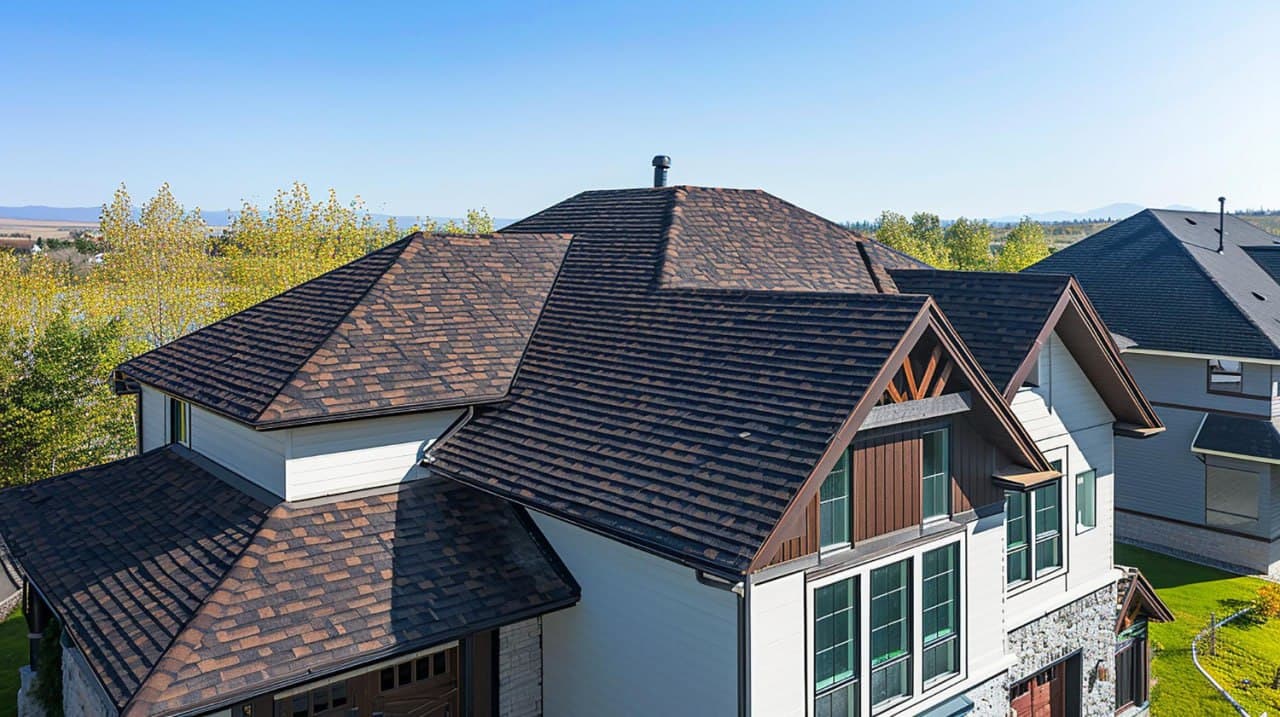
Fort Worth averages more than 100 days per year above 90°F. During peak summer weeks, outdoor temperatures exceed 100°F for days at a stretch - and an attic above a poorly ventilated, dark-surface roof can reach 150-160°F. That heat load doesn't stay in the attic: it radiates down into living spaces, forces HVAC systems to run longer cycles, and drives up electricity bills throughout June, July, and August.
The good news is that roofing and attic upgrades deliver some of the highest ROI of any home improvement investment in North Texas - because the energy savings recur every year and compound over the life of the system. Here's where the opportunity actually lives.
1. Attic Ventilation - The Biggest Lever
The single most impactful change most Fort Worth homeowners can make isn't the roofing material - it's fixing inadequate attic ventilation. Proper ventilation requires a balanced system: intake air entering through soffit vents and hot air exhausting through ridge vents at the peak. When this balance is correct, attic temperatures drop 20-30°F compared to an unventilated attic - reducing the heat load radiating into living spaces significantly.
The most common failure mode we see in Fort Worth homes is adequate ridge vent exhaust paired with inadequate soffit intake - because insulation has been pushed against the eave, blocking soffit vents. Fixing this is often a matter of hours of labor and produces immediate, measurable results.
Learn more about attic ventilation in Fort Worth →
2. Reflective Roofing Materials
Standard dark asphalt shingles absorb 80-90% of solar radiation, converting it directly to heat at the roof surface. "Cool roof" shingles with Energy Star certification reflect a higher percentage of solar energy - reducing surface temperature by 20-30°F and the corresponding heat transferred into the attic below.
For Fort Worth homeowners replacing a roof, specifying a lighter-colored shingle or an Energy Star rated product adds no meaningful cost premium and delivers ongoing cooling savings. It also extends shingle lifespan - roofing materials last longer when they run cooler.
For commercial flat roofs, the difference is even more dramatic. White TPO membrane reflects 70-80% of solar radiation versus 5-10% for a dark EPDM or BUR surface. For warehouses, retail centers, and office buildings with large roof-to-floor area ratios, this difference has a measurable impact on annual HVAC costs.
3. Radiant Barriers
A radiant barrier is a reflective foil material installed on the underside of roof decking or in the attic floor. It reflects radiant heat downward - reducing the heat transferred into the insulation layer below. Radiant barriers are most effective in Fort Worth's hot-summer climate specifically because they address radiant heat transfer (the dominant mechanism in Texas summers) rather than conductive or convective transfer.
Studies at the Florida Solar Energy Center found radiant barriers reduce attic temperatures by 5-10°F in hot climates and can reduce cooling costs by 5-10% on their own. Combined with proper ventilation, the aggregate impact is meaningful.
4. Insulation Upgrades at Replacement Time
Roof replacement is the natural time to assess and upgrade attic insulation - because the attic is accessible and work crews are already on site. Current Texas Energy Code requires R-38 insulation in attics for new construction. Many Fort Worth homes built in the 1990s and earlier have R-19 to R-25, which means a straightforward air-sealing and blown insulation upgrade can significantly reduce the cooling load without a roof replacement.
We identify inadequate insulation during our roof inspections and can recommend insulation contractors when we observe conditions that warrant it.
5. Class 4 Shingles and the Indirect Energy Benefit
Class 4 impact-resistant shingles are primarily specified for hail resistance - but they carry an indirect energy benefit worth noting. The heavier laminate construction of Class 4 products provides slightly better thermal performance than lighter standard shingles, and the longer effective lifespan in Fort Worth's climate means fewer replacement cycles (and the energy cost of manufacturing and installing new materials) over a 30-year horizon.
Putting It Together: The Fort Worth Energy Stack
The maximum energy performance from your roofing system comes from stacking multiple strategies: reflective shingles, properly balanced ventilation with ridge and soffit vents, a radiant barrier on the decking underside, and adequate attic insulation. None of these strategies is expensive individually - and together they can reduce cooling load by 20-30% on a typical Fort Worth single-family home.
For a home running $300-400 per month in summer electricity costs, that represents $60-120 per month in savings during the June-September peak - and ongoing savings every year thereafter.