Class 4 Impact-Resistant Roofing in Fort Worth: What It Costs, What It Saves, and When the Math Works
Fort Worth homeowners replacing their roofs have a straightforward opportunity to lower their insurance premiums for the life of the new roof - by specifying Class 4 impact-resistant materials rather than standard architectural shingles. Here's everything you need to know to decide whether the upgrade makes sense for your situation.
What Is Class 4 Impact Resistance?
Class 4 is the highest rating under UL 2218 - the Underwriters Laboratories standard for evaluating roofing material resistance to hailstone impact. Products earn this rating by surviving repeated strikes from a 2-inch diameter steel ball dropped from 20 feet - roughly simulating the impact force of large hailstones at terminal velocity.
To put that in context: the hailstorms that cause the most insurance claims in Fort Worth typically produce hailstones in the 1-2.5 inch range. Standard asphalt architectural shingles - which usually achieve Class 3 or lower - show measurable granule loss and impact bruising from hailstones in the 1-1.5 inch range. Class 4 materials are specifically engineered to resist these impact sizes without functional damage.
The rating applies to the material itself, not the contractor or the installation. When we spec Class 4 shingles for a Fort Worth replacement, we provide the manufacturer's UL 2218 Class 4 certification documentation - which is what your insurance company needs to apply the premium discount.
How Much Can Fort Worth Homeowners Save on Insurance?
Discount availability and amount vary by insurer. In the Texas market, where hail exposure is explicitly recognized in underwriting models, many carriers offer meaningful discounts for Class 4 rated roofing:
- Typical discount range: 15-30% reduction in the roofing-related portion of your homeowner's insurance premium
- How to confirm your discount: Call your insurer before installation and ask specifically about their Class 4 roofing discount program for Tarrant County properties. Get the discount percentage in writing, and confirm what documentation they'll require.
- What documentation is required: Most insurers need the manufacturer's product certification showing the UL 2218 Class 4 rating, plus your contractor's documentation of what was installed. We provide both.
For a Fort Worth homeowner paying $3,000 per year in homeowner's insurance, a 20% discount on the dwelling coverage component could represent $400-600 in annual savings - recurring every year for the life of the roof.
The Cost of the Upgrade - What You're Actually Paying For
Class 4 impact-resistant shingles typically cost 10-20% more than standard architectural shingles of comparable quality. On a typical Fort Worth residential roof replacement, that premium translates to roughly $800-2,000 in additional material cost depending on roof size and the specific product specified.
That's the complete cost of the upgrade - the labor cost of a replacement is identical whether standard or Class 4 shingles are installed. The only difference is the material line item.
When you offset $800-2,000 of additional upfront cost against $400-600 per year in insurance savings, the payback period is typically 2-4 years. After that break-even point, the savings are pure net benefit for the remaining life of the roof - which, in Fort Worth's climate, typically runs 20-25 years for a quality Class 4 shingle system.
The Math Over a Full Roof Lifespan
Here's a simplified version of the comparison that we walk homeowners through during estimates:
The cumulative insurance savings figure above doesn't include the reduced frequency of hail claims - which matters because repeated claims can affect your insurability and premium tier over time. A Class 4 roof that weathers multiple hail seasons without claim-worthy damage keeps your claims history clean, which carries its own long-term value.
When Class 4 Doesn't Make Sense
The upgrade doesn't make sense in every situation. If you're planning to sell the property within 2-3 years, the payback period may not complete before sale - though a Class 4 roof can be a differentiating feature in a Fort Worth real estate market where buyers increasingly understand the hail exposure story. If your insurer doesn't offer a meaningful discount for Class 4 materials, the financial case weakens significantly - which is why we always recommend confirming the discount before committing to the upgrade.
The upgrade also doesn't eliminate all hail damage risk. Extreme hail events - stones above 2.5-3 inches - can still cause functional damage to Class 4 systems. What Class 4 does is significantly raise the threshold at which damage occurs, reducing claim frequency for the hail sizes Fort Worth most commonly sees.
What Class 4 Products Look Like
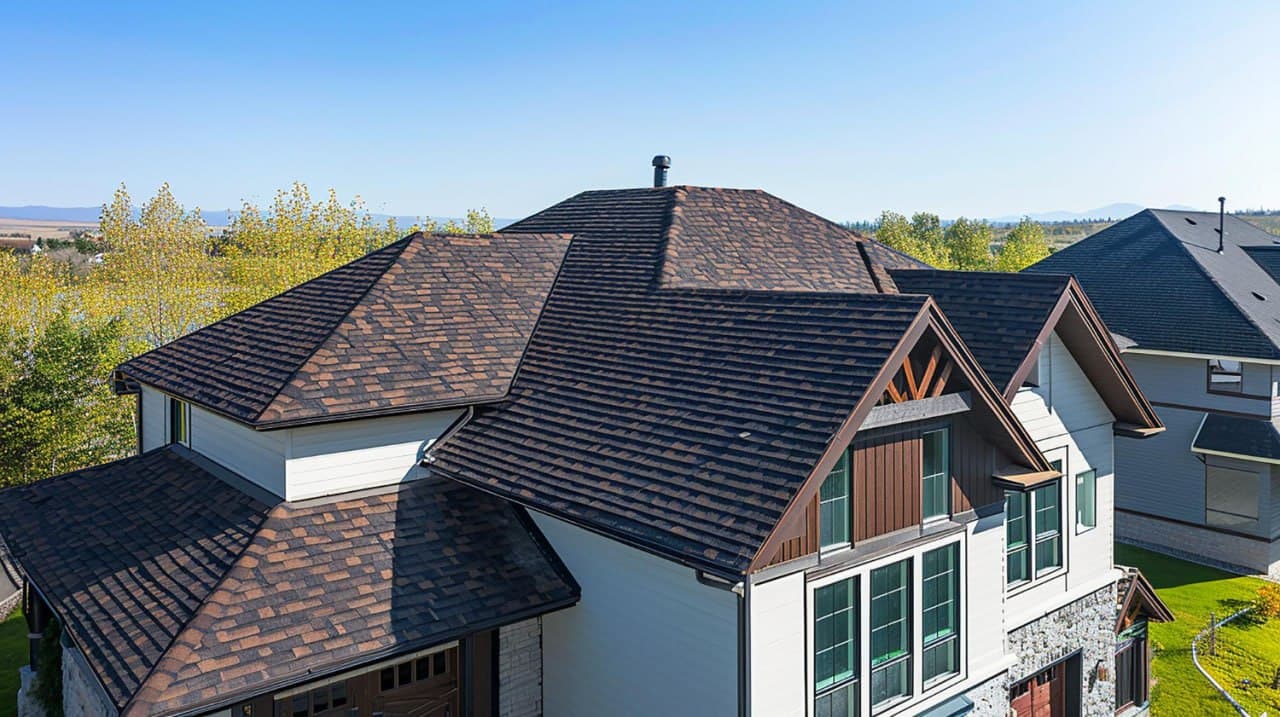
A common concern we hear is that Class 4 shingles will look different from standard shingles - heavier, thicker, or obviously "special." In practice, leading manufacturers produce Class 4 products across a wide range of profiles and color options that are visually indistinguishable from their standard counterparts. GAF Timberline HDZ, CertainTeed Landmark IR, and Owens Corning Duration Storm are among the products we commonly specify for Fort Worth replacements - all available in the colors and profiles most common to this market.
During the estimate, we'll show you product samples and walk through the options that suit your home's architecture and your neighborhood's aesthetic context.